
Skin Bruising
Bruising occurs when blood vessels are damaged and leak blood in between the tissues under the skin. Anything that can injure blood vessels or skin can cause bruising, including trauma, laser treatments, waxing, and using a vacuum device on the skin.
Bruising is more common among women because they have much more delicate skin than men. In addition, some people are more prone to bruising than others which may be due to a genetic predisposition. Also, bruising is more common among those who take blood-thinning medications like aspirin, ibuprofen, naproxen, and other blood-thinner medications.
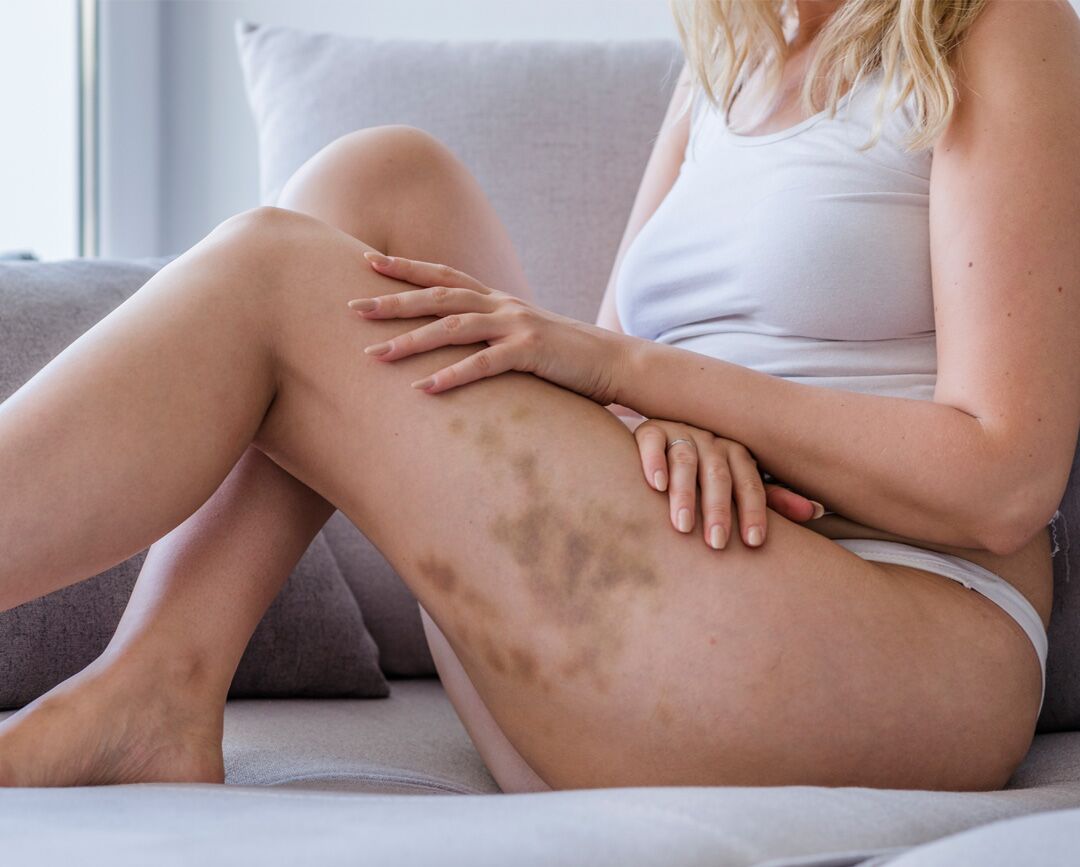
It is a good practice to ask about the bruising history of any clients before doing a skin treatment that may traumatize the skin and prone the person to bruising.
Bruising is also common among people with some health conditions, such as Hemophilia B and other blood disorders in which blood cannot clot easily. People who are on blood thinners are also more prone to bruising.
A bruise usually goes away on its own within two weeks unless there is a health condition or the person is taking a medication that affects blood clotting, like aspirin or ibuprofen.
Bruising after waxing hair removal is relatively common if the waxing is done with a poor technique, especially in the hands of a new technician.
Bruises after waxing hair removal are usually due to poor techniques and much less because of health conditions.
Leaving the wax on the skin for too long causes it to stick to the skin, so when removing it, it stretches layers of the skin and breaks blood vessels, causing blood to leak in between the skin cells.
A very hot soft wax or very hot hard wax can also cause bruises. Doing more than one pass of soft wax on the skin removes the superficial layers of the skin, or as it is called, lifting the skin, and also causes a bruise.
If the waxing room is too hot or the client’s body is too warm, the soft wax won’t set. This means that when you try to yank the wax strip, the wax will still be in a melting or gel-like form. As a result, some of the wax will stick to the skin and some to the strip or muslin, and it will only come off the skin partially. In that situation, the technician may have to apply more muslin strips to the same area of wax, damaging the skin and increasing the chances of bruising.

Bruises usually occur in the dermis section of the skin as the blood vessels are all in the dermis section of the skin.
The skin has three layers:
- The hypodermis, which is the deepest layer of the skin and consists of fat or adipose tissue;
- The dermis, which is the middle layer of the skin and consists of blood vessels and many other components.
- The epidermis, which is the very superficial layer of the skin and doesn’t have any blood vessels.
So bruising happens in the dermis section of the skin, and there won’t be any bruising in the epidermis section of the skin.
After bruising, the blood released in between skin cells gradually absorbs into the bloodstream. The blood is composed of a substance called hemoglobin, which contains iron as one of its components. The iron elements that are left over after absorbing all other components of the blood give the dark, brownish, purplish color to bruises.
Treatment of Bruising
At the earliest bruising stage, the blood needed to be stopped from leaking and oozing from the damaged blood vessels in between skin cells.
A cold compress is a popular remedy for bruises. The compress helps to reduce swelling, inflammation, and pain. It is important to apply the compress as soon as possible after the injury.
To make a cold compress:
Soak the cloth in the ice water with or without milk for a few minutes. Then squeeze out the excess water and apply the cloth to the affected area for 10 to 20 minutes.
Repeat the process several times daily for the first 24 to 48 hours after the injury. You can also use a store-bought ice pack.
A cold compress constricts the skin and blood vessels, preventing more blood from escaping and leaking from the broken capillaries.
After two days, when the blood vessels are repaired, we need to expedite reabsorbing of leaked blood and other components back into the body. To accomplish this, we can do a warm compress.
To do a warm compress:
1. Fill a small bowl with hot water. Test the water to make sure it’s not too hot before proceeding.
2. Place a clean cloth in hot water and let it soak for a few seconds.
3. Wring out the cloth so that it’s not dripping and apply it to the bruises.
4. Leave the compress in place for 10-15 minutes 3 to 4 times per day.
A warm compress dilates the blood vessels and makes them more permeable, so the leaked blood can more easily reabsorb into the bloodstream.
A few things can also help reduce bruising and speed up clearing the bruising areas.
A gentle massaging of the area a couple of days after waxing or injury can help increase circulation and reabsorption of leaked blood back into the bloodstream and fade bruises quicker.
Elevating the affected area prevents blood stagnation and can help reduce inflammation and bruising. In addition, wearing loose, comfortable clothing eliminates the chances of more irritation and inflammation.
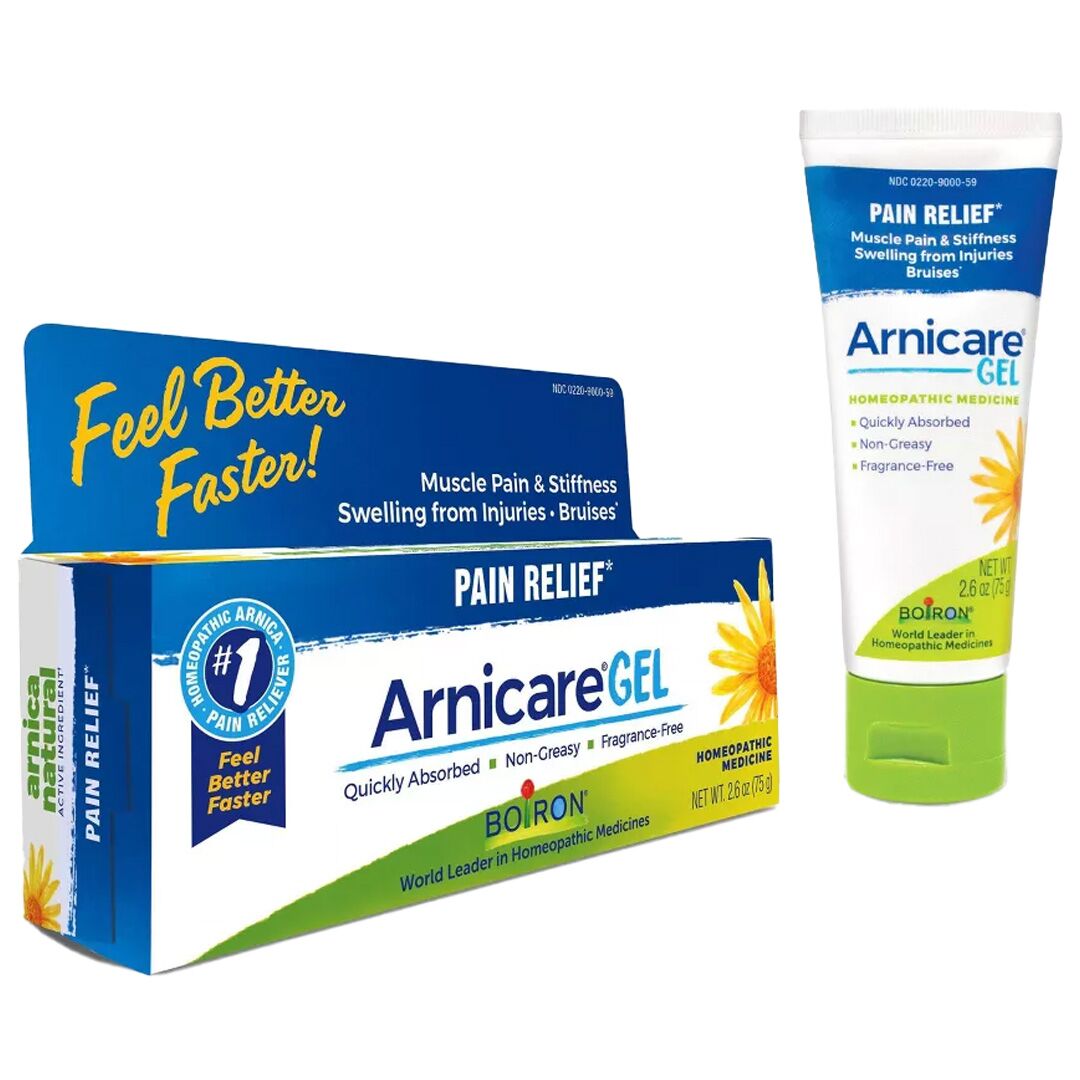
Arnica is an over-the-counter plant-based that comes in the form of gel, cream, and ointment.
Arnica helps fade bruising much faster. An oral form of arnica is also available that is recommended a day or two before surgery or treatment to prevent bruising.
Arnica is readily available online and in almost all drug stores under various brand names like Arnicare.
Arnica has several other benefits, like reducing irritation, inflammation, and pain, that help the injured heal quicker and bruises fade much faster.
Bromelain is another medication that can be used to treat bruises by breaking down the blood clots to help them reabsorb faster. Bromelain can also help reduce the swelling and pain associated with bruises. Bromelain is available as a cream, gel, or ointment and should be applied to the affected area three times a day for about seven days.
Arnica and bromelain should not be applied on a wound or when the bruises are accompanied by a cut, concussion, or skin rashes unless recommended by a qualified medical professional.
If possible, avoid blood thinners or activities that may increase the chance of blood leaking from blood vessels when a bruise occurs.
Aspirin, ibuprofen, naproxen, fish oil, vitamin C, and Vitamin E may all thin the blood or ease blood leaking from blood vessels. If possible, it is best to avoid these substances when a bruise happens. However, if someone is already on a blood thinner for a medical and health condition, they should contact and follow a qualified medical professional guidance.
There is no evidence that some home remedies like mouthwash and banana peel may help fade the bruises faster.
If bruises happen in a professional setting like a spa or medspa, you should record them in an accident record sheet. This is because bruises are considered damaged tissue and could cause problems for either you as a professional or your client. So recording and preferably taking a picture as evidence can protect you and your client in the long run.
Most bruises are harmless and will go away on their own, but some can be more serious. If there are any of the following symptoms, you should consult a doctor:
- Large bruise with or without swelling or pain
- The bruise that gets larger even after initial remedies like a cold compress.
- The bruise that doesn’t show any sign of improvement after a few days
- Pain, swelling, and warmth when touching the bruise is other signs of possible complications
Always remember that bruises can be a sign of other health conditions that may require more medical attention, so never underestimate bruises.